
From Baptist to Memorial
Five Days at MemorialThis thread traces the hospital’s changing identity from a faith-based institution to a corporate medical center and the tensions that change carried.
increasing Bearing strength in each event
 decreasing
Bearing strength in each eventdecreasingA Baptist Mission

A Baptist Mission
Healing as Public Purpose
Southern Baptist Hospital opened with a mission to relieve pain, prolong life, and care for people in need. Clementine Morgan Kelly had argued that a Baptist hospital could serve the city through healing.
Charity with Limits
The hospital presented itself as compassionate, but access to charity care depended on narrow rules and church support. Its religious purpose existed alongside institutional limits and the racial order of the era.
Segregated Care
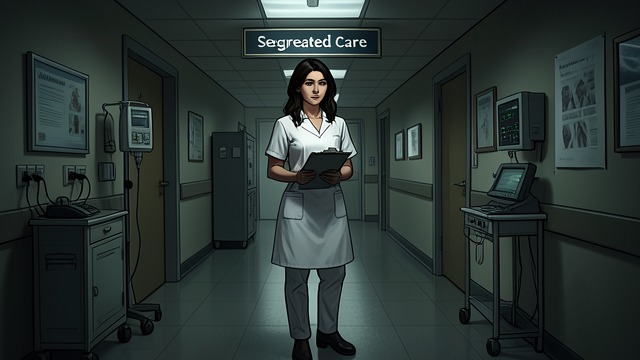
Segregated Care
Unequal Access
Black patients could work in and care for patients at many private hospitals without being accepted as patients themselves. Southern Baptist Hospital resisted federal programs tied to nondiscrimination.
A Personal History
Jannie Burgess’s professional life unfolded inside this contradiction. She served patients in a segregated system before becoming a patient at the hospital where she had worked.
Integration and Medicare

Integration and Medicare
Quiet Change
Southern Baptist Hospital began accepting Black patients after institutional and federal pressure. It later joined Medicare, a move that also made business sense as the hospital’s senior patient population grew.
Progress with Tensions
Formal access changed more quickly than workplace relationships. Later discrimination complaints and disputes showed that integration did not erase unequal treatment or mistrust.
Commercial Medicine

Commercial Medicine
A New Business Climate
As high-technology medicine expanded, costs and financial performance became increasingly central. Horace Baltz worried that business priorities could displace professional judgment.
Corporate Ownership
Southern Baptist merged with another hospital and was sold to Tenet Healthcare. Employees watched familiar religious language and traditions yield to corporate goals and financial measures.
The Name Persists
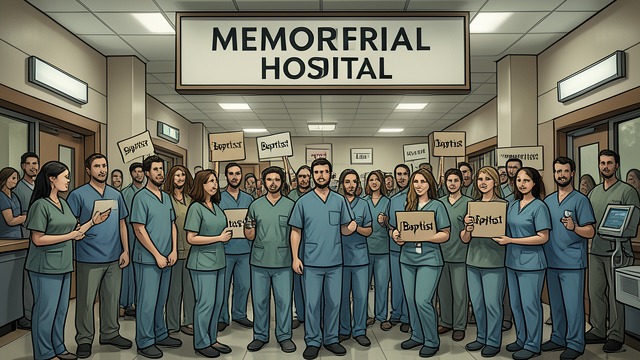
The Name Persists
Old Identity in Daily Speech
Many employees continued calling Memorial “Baptist,” a name tied to their careers and community. The hospital remained a place where family connections and professional histories overlapped.
A Reputation at Stake
When disaster struck, the institution’s past became part of the argument over its conduct. Staff loyalty, corporate ownership, and the hospital’s public identity pulled in different directions.
1926
Before 1968
1968–1969
1980s–1995
August 2005
